
Is Dyson Worth It in 2026? The Honest Answer After Comparing Every Model
By Alex Carter
Dyson products command a 2x to 3x price premium over brands like Shark or Tineco. In an economy where value matters more than ever, the real question in 2026 isn’t just about suction power — it’s whether that premium actually pays off over time.
Is a $900 vacuum really “worth it” when a $300 alternative exists? After testing the full 2026 Dyson lineup — from the entry-level Dyson V8 to the flagship Dyson V16 — the answer isn’t as simple as most marketing makes it sound.If you’re trying to figure out which model actually makes sense, you can also see the full breakdown here: Best Dyson Vacuums (2026 Guide) .
“Most people overpay for Dyson features they’ll never actually use. But if you clean often, deal with pet hair, or just want something that works every time, Dyson starts to make a lot more sense.”
The 2026 Buying Verdict: Is a Dyson Vacuum Actually Worth Your Money?
- ✔ YES — If you clean regularly, have pets, or just want a vacuum that feels powerful and easy to use every time.
- ✔ YES — For pet owners dealing with hair daily — Dyson handles it better and with less hassle.
- ✘ NO — If your main priority is price and you just need something basic to get the job done.
- ✘ NO — If you rarely clean and won’t take advantage of the extra power or features.
“Most people end up paying for more Dyson power than they actually need — in many cases, a mid-range model like the Dyson V11 already does almost everything well.”
Why Dyson Costs More — and What You Actually Get
Dyson isn’t just charging more for a vacuum — it’s charging for how the whole experience feels when you actually use it.
You’re not just paying for more power — you’re paying for a vacuum that makes cleaning faster, easier, and less frustrating.
Who Dyson Actually Makes Sense For
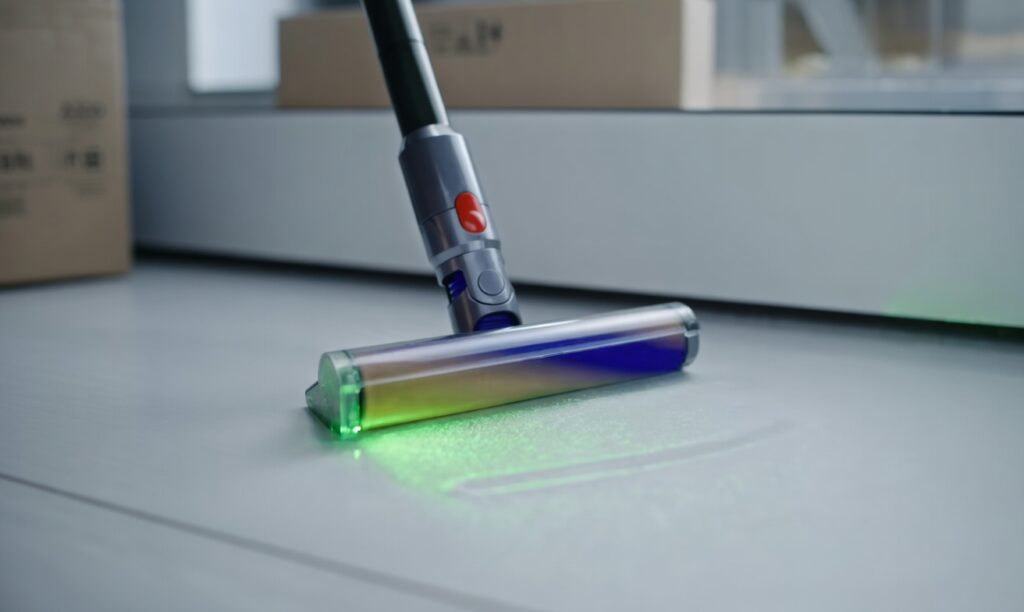
Dyson is not worth it for everyone. But for certain homes and cleaning habits, the extra cost starts to make a lot more sense.
Is Dyson Really Better — or Just More Expensive?
A lot of buyers end up asking the same thing: if Shark or Tineco costs a lot less, why pay extra for Dyson? The answer comes down to what matters more to you — lower upfront cost, or a better long-term experience.
1. Dyson vs. Shark
Shark usually wins on price, and for basic cleaning, it can be good enough. But Dyson tends to feel better built, easier to maintain, and more consistent over time. If you just want something cheaper that does the job, Shark makes sense. If you want something that feels better to use week after week, Dyson usually justifies the premium.
2. Dyson vs. Tineco
Tineco is strong when it comes to flashy features, screens, and wet-dry options. But for straight vacuuming — especially across mixed surfaces, pet hair, and everyday mess — Dyson still feels like the more dependable all-rounder.
The bottom line: most Dyson alternatives look close on paper, but the differences become more obvious once you actually live with them.
Who Should NOT Buy a Dyson
Dyson is not the right buy for everyone. In some situations, paying extra just does not make much sense.
The goal is not to buy the most expensive vacuum — it is to buy the one that actually fits your home and habits.
The Difference You Notice After Living With It
The biggest difference is not just raw suction. It is how the vacuum feels to use over time.
You might not notice a huge gap in one quick test. You notice it after using it every week.
So… Is Dyson Actually Worth It in 2026?
Yes — Dyson is worth it for most people in 2026.
If you clean regularly, deal with pet hair, or just want a vacuum that feels easier to use, Dyson usually does feel like a step up from cheaper alternatives.
The catch: most people do not need the most expensive Dyson. Paying more only makes sense if you will actually use the extra power and features.
The real question is not whether Dyson is worth it — it is which Dyson makes the most sense for your home.
👉 Start by comparing the best models here:
See the Best Dyson Vacuums (2026 Guide)Where to Actually Buy Dyson (And Get the Best Deal)
Once you know which Dyson fits your home, the next step is simple: check the latest price and availability. Amazon is usually the easiest place to do that thanks to fast shipping, easy returns, and bundle options that are easy to compare.
If you are close to buying, price is usually what makes the final decision clear.
Which Dyson Should You Buy? (Quick Comparison)
Dyson V8
The easiest way to get into Dyson without overspending. A smart fit for smaller homes, apartments, and lighter cleaning.
Dyson V11
The sweet spot in the lineup. Strong performance, better battery life, and enough power for most homes without jumping to flagship pricing.
Dyson V15
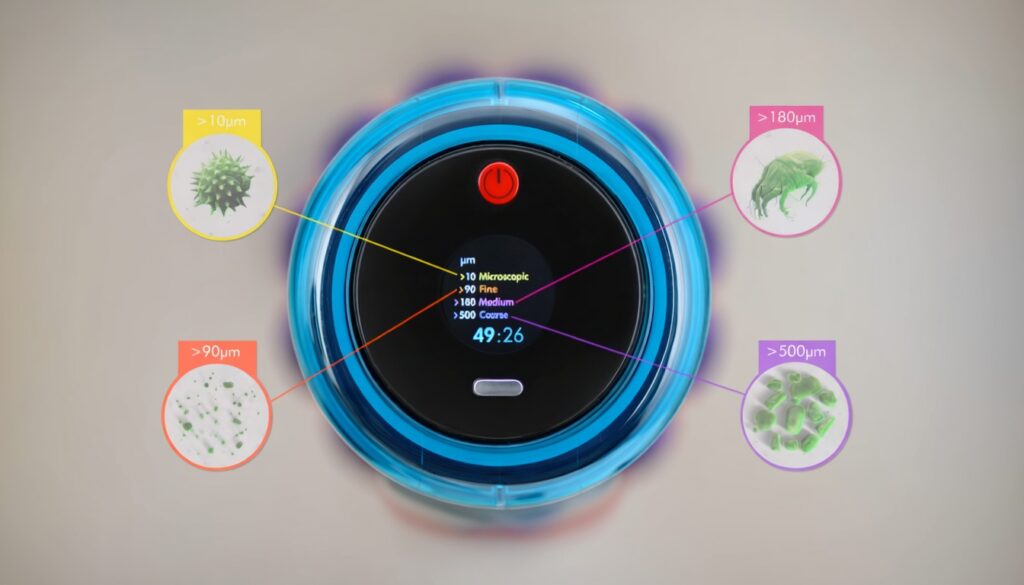
A better pick for homes with pets, carpets, or heavier mess. You get stronger cleaning performance plus smarter dust detection.
Dyson V16
The premium choice if you want maximum power and do not mind paying more for it. Best suited to larger homes and buyers who want the top model.